
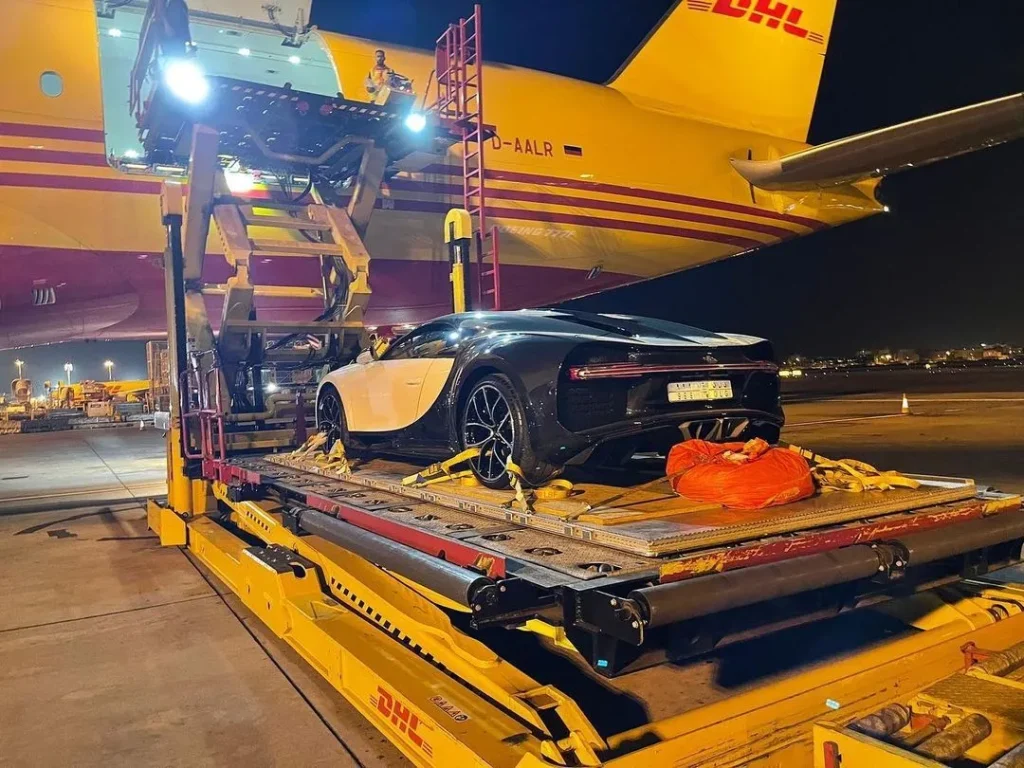
Shipping a vehicle across the country or even a few states away requires careful planning. One of the most important decisions you’ll make is choosing between open and enclosed car transport. Both options offer practical solutions for moving vehicles, but they differ in cost, protection, availability, and suitability for different types of cars.
At Car Connect Shippings in Baton Rouge, Louisiana, we help customers understand their auto transport options so they can choose a service that matches their needs.
What Is Open Car Transport?
Open car transport involves shipping vehicles on trailers that are open to the surrounding environment. These carriers typically transport multiple vehicles simultaneously, making the service a popular and economical choice.
Open carriers are commonly seen on highways transporting new and used cars to dealerships. They are also widely used by individuals moving to a new city, buying vehicles online, or relocating for work.
Benefits of Open Car Transport
-
Generally more affordable than enclosed shipping.
-
Widely available on many major transportation routes.
-
Suitable for sedans, SUVs, pickup trucks, and everyday vehicles.
-
Efficient for many standard vehicle shipping requirements.
The main consideration is exposure to weather, dust, and road debris. Although vehicles are secured for transit, an open trailer does not provide the same environmental protection as an enclosed carrier.
What Is Enclosed Car Transport?
Enclosed car transport uses a covered trailer that shields vehicles from direct exposure to outside weather and most road debris.
This option is often preferred for luxury vehicles, classic cars, exotic sports cars, antiques, restored automobiles, and high-value collectibles.
Benefits of Enclosed Car Transport
-
Additional protection from rain, snow, dust, and road debris.
-
Greater privacy during transportation.
-
Appropriate for valuable or delicate vehicles.
-
Potential availability of specialized loading equipment, depending on the carrier.
Enclosed shipping typically costs more because these trailers transport fewer vehicles and may have more limited availability.
Open vs. Enclosed Transport: Key Differences
| Feature | Open Transport | Enclosed Transport |
|---|---|---|
| Cost | Generally lower | Generally higher |
| Weather protection | Limited | Greater |
| Availability | Often wider | May be limited |
| Best suited for | Everyday vehicles | Luxury and classic vehicles |
| Road debris exposure | Higher | Lower |
| Trailer type | Open-air | Covered |
Which Option Should You Choose?
If you own a standard vehicle and want an economical way to move it, open transport is often the most practical choice. It provides a convenient transportation solution without the added cost of an enclosed trailer.
However, if you’re shipping a collector’s car, luxury vehicle, or recently restored automobile, enclosed transport may offer valuable peace of mind.
Your choice should also depend on your budget, route, preferred schedule, and the vehicle’s condition.
Tips for Preparing Your Car for Shipping
Before pickup, wash your vehicle and take clear photographs of its exterior. Remove loose personal items and accessories that could shift during transportation. Check the tires, battery, and fluid levels, and notify your shipping coordinator of any mechanical issues.
It’s also important to review the vehicle inspection report at pickup and delivery. This documentation helps establish the vehicle’s condition during the transportation process.
Conclusion
Both open and enclosed car transport can be effective choices when matched to the right vehicle and shipping requirements. Open transport emphasizes affordability and availability, while enclosed transport prioritizes additional protection.
At Car Connect Shippings, we help customers in Baton Rouge and beyond explore vehicle transportation solutions that fit their circumstances.
Ready to get started? Call (225) 438-9893 or visit carconnectshipping.com to request your auto transport quote.